Why circular fashion is important?
The fashion industry is fundamentally flawed. This is no longer a hidden truth; it may have been overlooked for a while, but the sheer magnitude of the issues it causes is now impossible to ignore.
One major concern is the industry’s carbon footprint, driven by the extensive transportation of textiles, which accounts for 2% of global greenhouse emissions. While this may seem manageable, if current consumption patterns persist, this figure could rise to a staggering 26% by 2050.
Beyond emissions, the fashion industry’s excessive consumption of raw materials, particularly water, is another critical issue. Clothing production uses 4% of the world’s drinking water. Additionally, the industry not only consumes water but also pollutes it with chemicals and pesticides used in cotton cultivation.
This unchecked consumption of water, energy, and raw materials leads to significant waste. The rise of fast fashion and frequent store collections means that about 10% of textile products are discarded after just one use. This waste contributes to environmental damage, from carbon emissions to pollution and deforestation.
How many issues does this add up to? Far too many, making fashion the second most polluting industry in the world.
But every challenge has a remedy.
Circular fashion
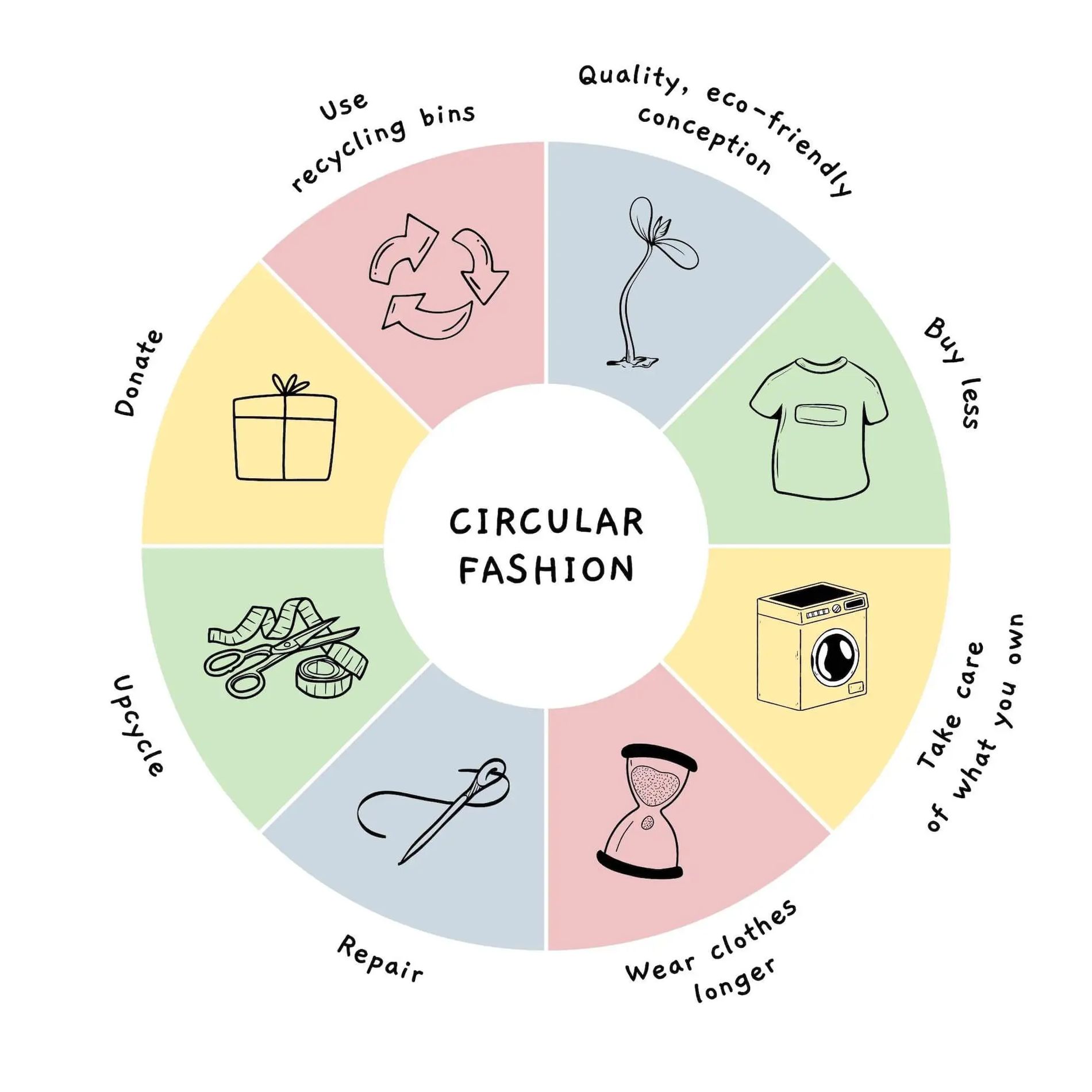
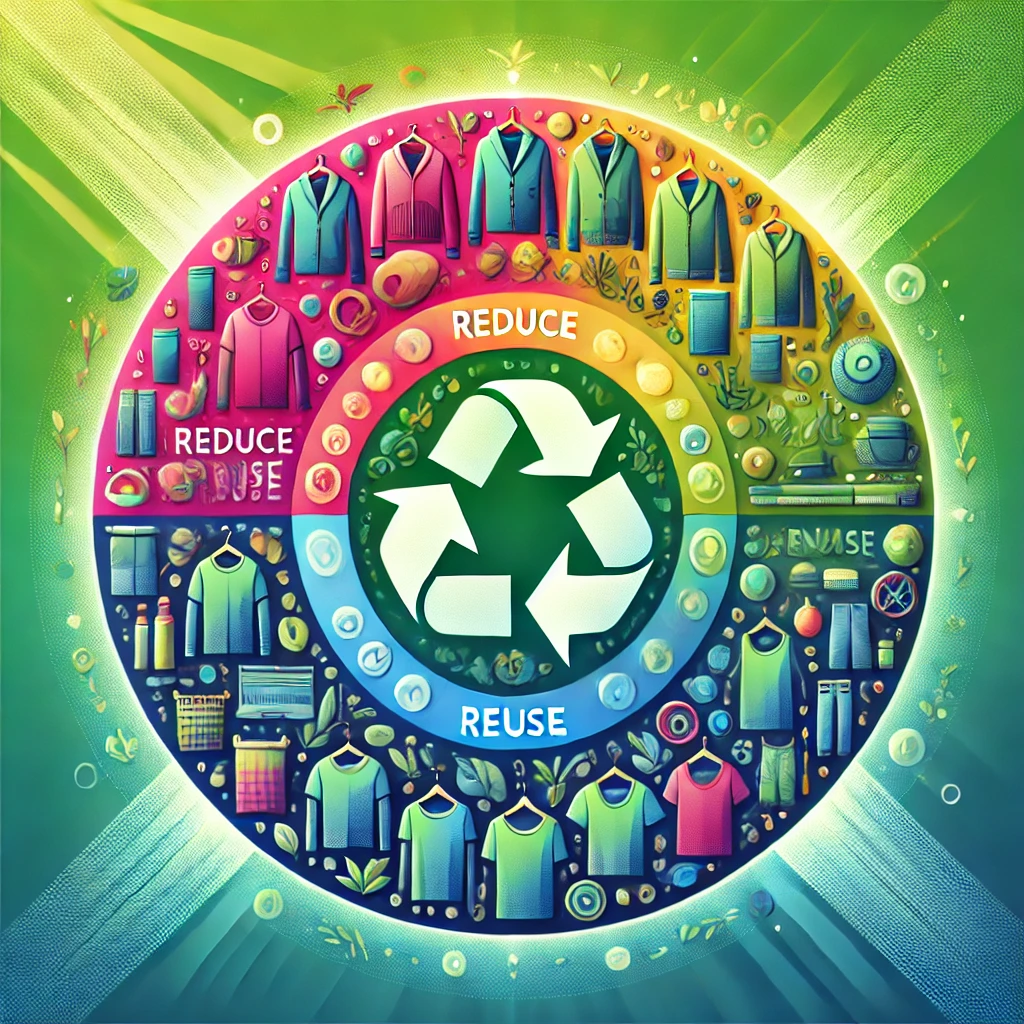
Circular fashion, a concept developed in Sweden in 2014 by eco-responsibility experts, offers a stark contrast to traditional linear consumption. In a linear model, garments are created, used, and then discarded. Circular fashion, however, seeks to keep materials in use for as long as possible, adhering to three key principles: reduce, reuse, and recycle.
Reduce
Fashion has become a mode of self-expression rather than a necessity. However, the relentless pace of new collections encourages constant buying—and discarding. If current trends continue, clothing waste could equal the weight of humanity in just five years. Instead of abandoning fashion, we can learn to buy less frequently, focusing on timeless, quality pieces that last. Proper care, like minimizing washes and choosing air-drying, extends a garment’s life.
Reuse
Garments shouldn’t be single-use items. Yet, the average piece is worn only 10 times, far below its potential. Quality clothing can endure 100 to 200 wears. Repairing clothes instead of discarding them is making a comeback, with sewing workshops and repair services becoming more accessible, helping to combat our throwaway culture.
Recycle
While clothing recycling banks are a visible solution, they only work for single-material items. Many garments, especially those made from synthetic blends, can’t be fully recycled. Alternatives include donating directly to charities, selling second-hand online, or upcycling damaged clothes into new items.
Circular fashion represents a collective effort to counteract the unsustainable practices of the past. These initiatives address the environmental toll of the fashion industry, reducing carbon emissions, lessening dependence on virgin materials, and cutting waste and pollution.
Embracing circular fashion is a step toward a sustainable future, respecting nature and ensuring a thriving planet for future generations. Sustainable consumption promises a healthier Earth – and the chance for our distant descendants to enjoy a future where nature and humanity coexist harmoniously.