
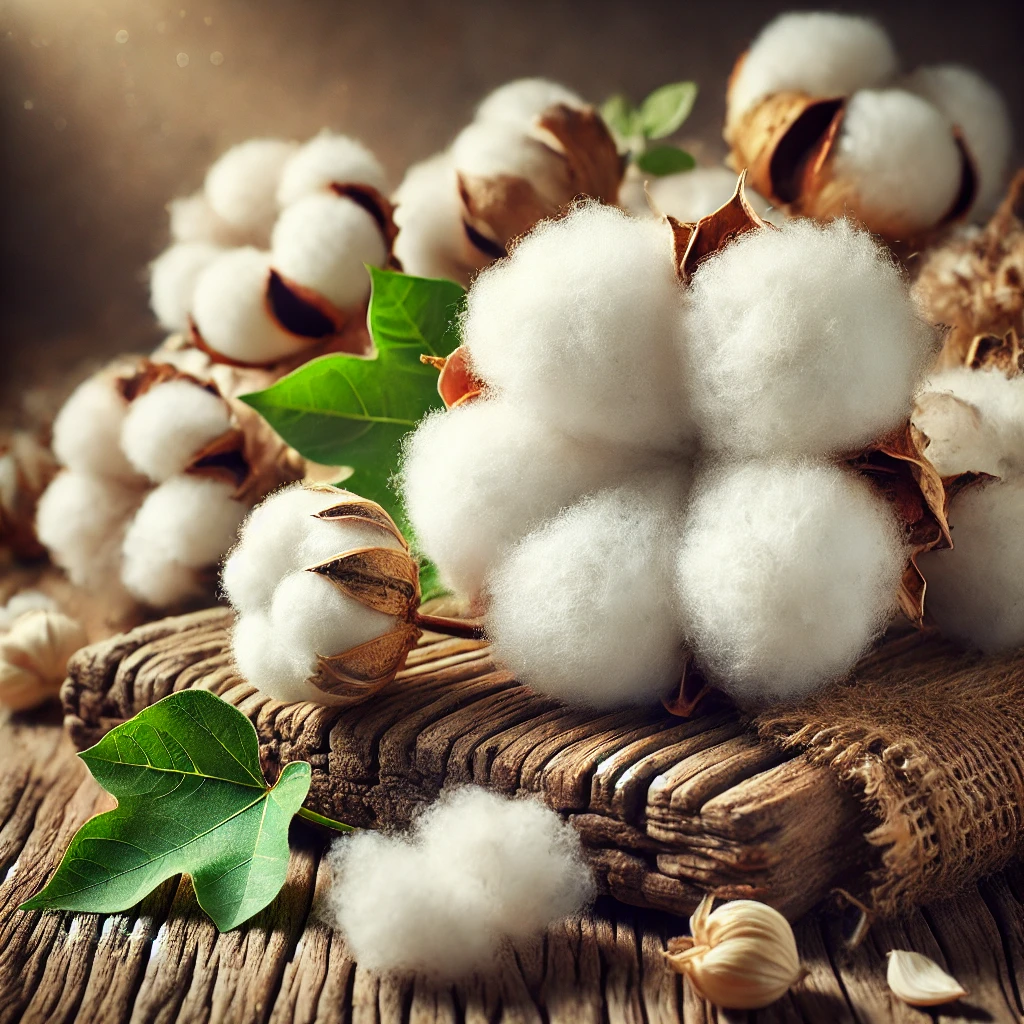
Organic? Yes!
Have you noticed how often the media tells you that clothing trends have changed and that you must update your wardrobe? This is the essence of fast fashion: everything moves faster, and clothes are more disposable than they were just a few years ago. Most clothes are now discarded within a year of purchase, after just 7 to 10 uses. This is due to rapidly changing trends and a decline in clothing quality to reduce production costs.
This decline in quality stems from a system that often compromises on working conditions. To achieve certain certifications, textile manufacturers must follow several rules: no child labor (with the legal working age being 15), the right to free association, fair wages that meet basic living needs, regulated working hours, and a mandatory day off every seven days. While these principles may seem standard in Europe, they are far from being universally applied. Certifications as
Oeko Tex – OCS 100 – GOTS – OCS Blended – GRS
serve as a guarantee of decent working conditions in textile factories, with annual inspections conducted by independent experts.
To combat the growing issue of fast fashion, we offer clothing and accessories made from eco-responsible materials such as organic cotton and recycled cotton and polyester.
Organic cotton reduces the environmental impact of the textile industry as it is produced without pesticides, insecticides, or chemicals, and it requires less water due to the soil’s ability to retain moisture.
Recycled materials, on the other hand, support a circular approach to the textile industry. Instead of becoming waste, fibers are reused, reducing the need for resource-intensive cultivation of new raw materials.
Fair Wear Foundation
At our shop we are transparent about the origins of our products. Most of the garments we offer for customization come from Bangladesh, a major hub for the textile industry. Once one of the world’s poorest nations, Bangladesh is now the 41st largest economy, with a more promising future for its people.
We work exclusively with partners who ensure healthy working conditions for their employees. This is verified through certifications from the Fair Wear Foundation, established in 1999 in the Netherlands, which upholds rigorous standards for fair labor practices.
