

Textile recycling is working
Recycled Textiles: A Growing Trend with Big Questions
We often hear about recycled textiles, but what does it truly entail? How is cotton recycled? Is the process the same for polyester? Are recycled materials as durable as new ones? Let’s dive into these questions in this comprehensive overview.

Recycled Cotton
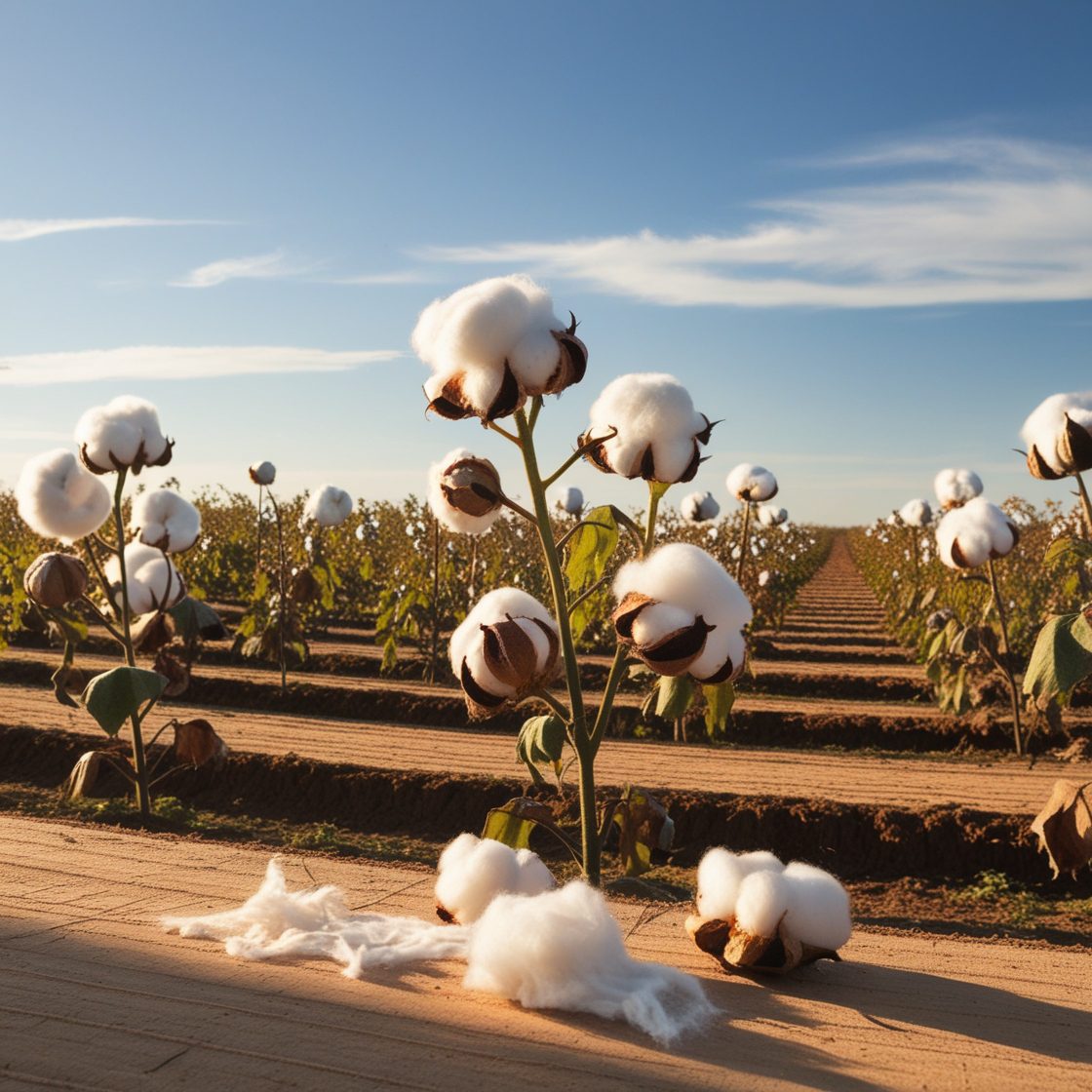
Cotton, a plant-based fiber, has been the most popular textile globally since the industrial age. However, conventional cotton farming is resource-intensive, especially in terms of water usage. Producing a single T-shirt can require over 2,700 liters of water, primarily for irrigating cotton fields and cleaning fibers.
Organic cotton reduces water usage significantly, with faster and less thorough cleaning processes. This makes it a preferred choice for many of our products. Similarly, recycled cotton is an excellent alternative, offering the same softness with a fraction of the environmental impact. For instance, a recycled cotton T-shirt only needs about 50 liters of water for the rinsing phase.
How Cotton Recycling Works
Recycled cotton typically comes from post-consumer sources, like clothing deposited in recycling bins or donations to organizations. On average, we discard about 30 kilos of clothes annually, making recycling a practical solution. Occasionally, recycled cotton may be pre-consumer, coming from fabric offcuts at textile mills.
The recycling process involves collecting 100% cotton items, sorting them by color, crushing the textiles, and spinning them into new fibers. Although recycled cotton fibers are shorter and more brittle than virgin fibers, they can be blended with other materials or used for paper production.

Recycled Polyester
At our shop, we avoid toxic and unsustainable materials. However, we support reusing materials to prevent them from polluting nature and oceans. Recycled polyester, or rPET, is a part of many of our products. Polyester, derived from petroleum, is a major pollutant, making up 70% of global fiber production.
Recycled polyester offers a more eco-friendly alternative, using mineral water bottles and food packaging as sources. This process reduces the need for new polyester production, conserving fossil fuels, and minimizing plastic waste and micro-particles.

How Recycled Polyester is Made
Recycled polyester starts with collecting plastic bottles and packaging from sorting centers or food factories. These are sorted by color, shredded, melted, and spun into fibers, producing a textile as strong as new polyester. This material can be recycled multiple times before it becomes unusable.
Considering the vast amount of plastic waste in our oceans, choosing recycled products is a simple yet impactful way to help the environment. Instead of blaming others, we can all make better choices to reduce our environmental impact.